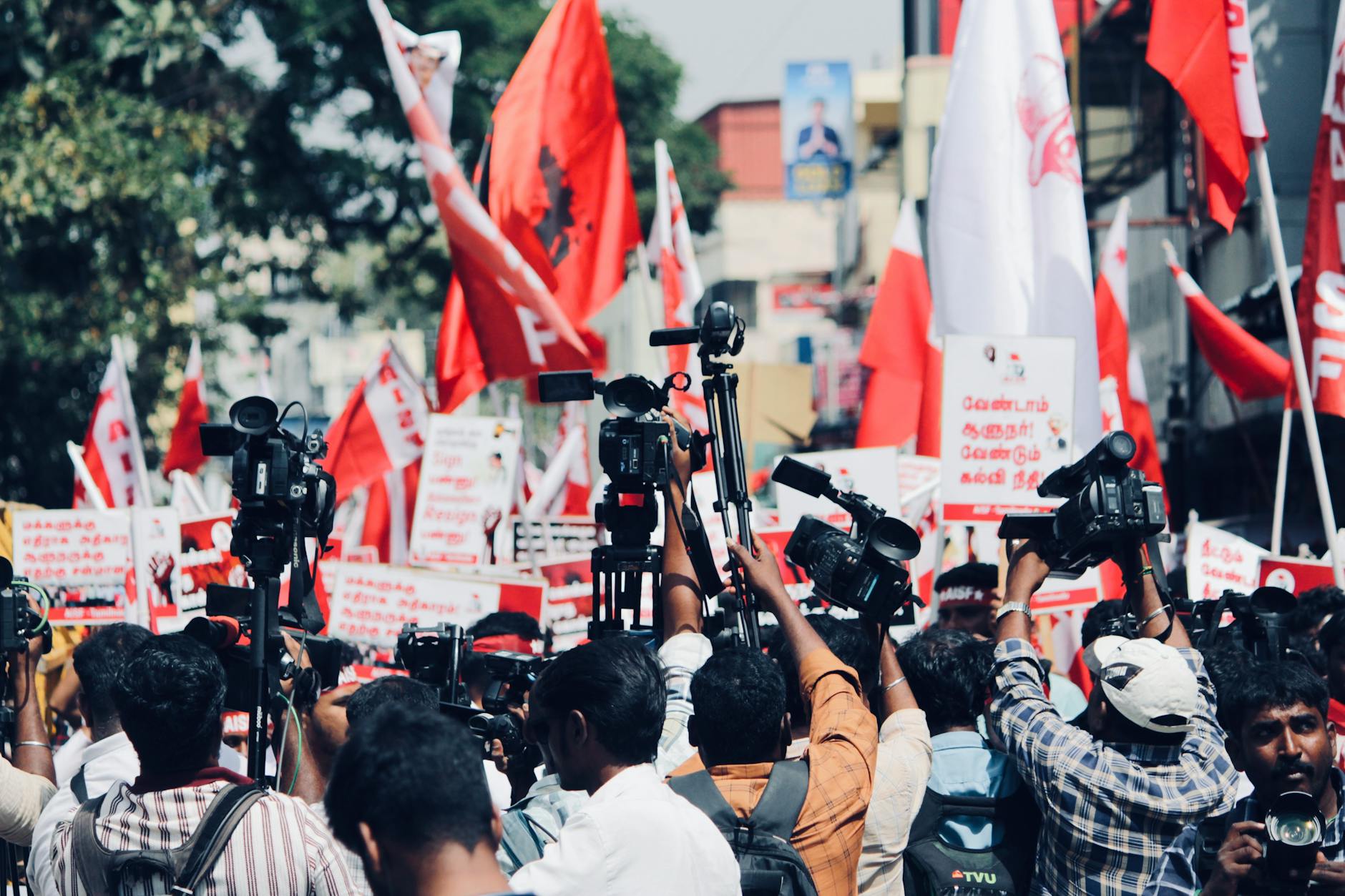
Television is arguably one of the most notable and greatest inventions made in the history of mankind; with it, we have seen a popularization of unique culture, ideas, and notably, participation in politics. First starting with President Franklin Roosevelt’s “fireside chats” in 1933, politics quickly became a national affair as presidential debates would become televised and nowadays, ads, campaigns, and information on political matters are as well.
When looking at political debates from the late 20th century to nowadays, many observers notice that there’s a stark contrast between not just the values that candidates preach, but also how these candidates behave on the big stage. When watching a series of debates in my media literacy class, we saw debates from Nixon and Kennedy to Trump and Harris, much of the class reiterated this point. Prior to the 2010s, many political debates would be civil and focused on the common gripes of the American people; nowadays though, debates are more noticeably chaotic, and candidates tend to attack his or her opponent’s character—not policies.
Although correlation isn’t necessarily causation, it wouldn’t be unfair to observe that with increased media and technological developments, politics have become so much more negative, dividing, and personal. In my opinion, this is because the internet has been a huge propellant for free speech and ideas, including hateful ones, which have snowballed and led to a shift in our political climate. In a podcast from Stanford Business, the speakers discuss how while it’s not necessarily dangerous by nature, the intersection of political speech and media can have many positive and negative outcomes. While it can bolster unheard voices, boost campaigns, and overall promote democracy, said democracy can also become a toxic environment as misinformation and dangerous beliefs are rampant across the internet.
Because the division down the political aisle has become increasingly wider as the years go on, this naturally makes national dialogue much harder to execute and unify people on. No longer are people discussing the matter as its core as emotions and attack on one’s character have become more prevalent when discussing political issues. Although partisan and biased news sources aren’t inherently dangerous or wrong, it’s vital to stress to digital consumers the importance of consuming unbiased media and understanding an issue for what it truly is; do not let some political influencer decide your vote for you—research the topic and reflect on your own beliefs.
The solution to this issue is multifaceted and unclear; there is no one, right answer. Given that America is founded on the ideals of capitalism and free speech, we must not work against these values, but instead, find solutions that incorporate them.
For one, there should be limits on spending for campaign ads for each candidate; while it’s necessary and encouraged for candidates to receive donations and necessary funds to propel their campaign, other voices are diminished in the political sphere because of power and money imbalances. We can first look at PACs and super-PACs as a target to address as these can be a major influence in these funding imbalances. According to the Strait Times, in 2024, candidates spent a total of ~$21 billion with some individual candidates, such as Kamala Harris, receiving $1 biillion; the imbalances are clear with some spending much more than others.
As mentioned before, another large concern is how polarizing campaign ads can be; to reiterate, calling for a change in our culture and our attitudes towards hateful speech can go a long way towards a more civil national dialogue. You can start reading unbiased sources on political issues; another big step is to start discerning a candidate’s ability to lead and their policies from people’s perceptions of them. We must include more civility into the political process and that starts with taking political candidates seriously; they are our future leaders, not jesters for us to laugh at and mock.
 DAWN'S DIARY
Leave a comment